






Fashion is far more than clothing—it reflects culture, personality, and creativity. Behind every trend, every iconic silhouette, and every statement piece, there is a designer with vision, skill, and determination. While many designers work for luxury houses, only a select few have built their own brands, leaving an indelible mark on global fashion.
This guide explores the top 10 fashion designers who created their own iconic brands, their journeys, signature works, and the lasting impact they have had on the fashion world. These designers didn’t just follow trends—they set them, challenged norms, and built empires that continue to influence fashion today.
1. Coco Chanel – Founder of Chanel
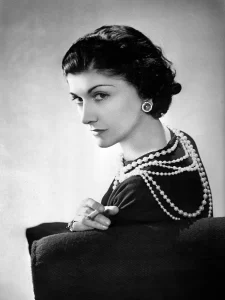
Brand Contribution: Gabrielle “Coco” Chanel, founder of Chanel in 1910, transformed women’s fashion by focusing on comfort, elegance, and timeless style. Her revolutionary approach replaced restrictive garments with practical, yet stylish clothing. Chanel’s Little Black Dress (LBD), the Chanel suit, and Chanel No. 5 perfume are universally recognized symbols of style.
Signature Collections: Chanel introduced the Bouclé tweed jacket and the classic quilted handbag, staples that remain iconic. The Chanel Haute Couture shows continue to inspire designers globally.
Challenges & Story: Coco grew up in an orphanage, learning to sew from nuns. Her early life was humble, but she pursued her passion and opened a small Parisian hat shop. Her vision of empowering women through elegance and simplicity made Chanel one of the most influential brands in history.
Philosophy & Modern Relevance: Chanel emphasized timeless elegance over fleeting trends. Today, under Virginie Viard, Chanel continues to blend innovation with tradition, remaining a global luxury powerhouse.
2. Giorgio Armani – Founder of Armani
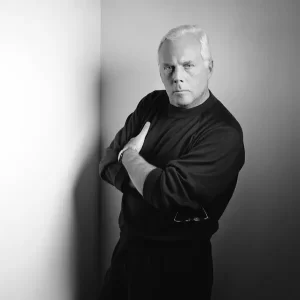
Brand Contribution: Giorgio Armani, who founded Armani in 1975, redefined modern menswear with his soft, unstructured suits. He introduced comfort without compromising luxury, influencing how men and women perceive elegance. Armani expanded into multiple lines including Emporio Armani and Armani Exchange, creating a fashion empire.
Signature Collections: Armani’s red carpet designs and classic tailored suits are admired worldwide. Armani Privé, the haute couture line, showcases his sophisticated craftsmanship.
Challenges & Story: Armani started as a window dresser and then as a tailor, learning how clothes affect confidence. Building a brand from scratch required determination and precision. His success demonstrates the power of mastering your craft and understanding the market.
Philosophy & Modern Relevance: Armani emphasizes minimalism, elegance, and luxury. The brand continues to set standards for formalwear and red-carpet fashion globally.
3. Ralph Lauren – Founder of Ralph Lauren
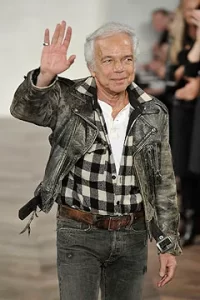
Brand Contribution: Ralph Lauren began with ties in 1967 and expanded into a global lifestyle brand. Ralph Lauren represents classic American style, combining luxury, comfort, and aspiration.
Signature Collections: The Polo Ralph Lauren line, known for its polo shirts, has become an enduring fashion symbol. Ralph Lauren also designs home decor, fragrances, and accessories, offering a complete lifestyle experience.
Challenges & Story: Ralph grew up in the Bronx and began selling ties from his own designs. His dedication and understanding of branding transformed a small venture into a global empire. His journey shows how consistent vision can create lasting influence.
Philosophy & Modern Relevance: Ralph Lauren’s philosophy centers on timeless, elegant, and aspirational style. His brand remains popular among celebrities and everyday fashion enthusiasts alike.
4. Gianni Versace – Founder of Versace
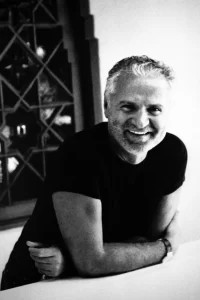
Brand Contribution: Gianni Versace founded Versace in 1978, introducing glamorous, bold, and innovative designs. His brand emphasized vibrant colors, daring cuts, and luxury, quickly gaining fame among celebrities.
Signature Collections: Versace’s safety pin dress worn by Elizabeth Hurley in 1994 remains iconic. The brand’s haute couture collections continue to celebrate theatricality and luxury.
Challenges & Story: Growing up in a family of seamstresses, Gianni developed a passion for fabrics early. He transformed that love into a global brand despite the challenges of standing out in a competitive industry. After his untimely passing, Donatella Versace preserved his vision while adding her modern touch.
Philosophy & Modern Relevance: Versace celebrates individuality, confidence, and glamour. Today, it remains a favorite on red carpets and among fashion-forward audiences worldwide.
5. Yves Saint Laurent – Founder of YSL

Brand Contribution: Yves Saint Laurent founded YSL in 1961 and revolutionized fashion by merging menswear with women’s clothing. His Le Smoking tuxedo suit for women challenged traditional gender norms and empowered modern women.
Signature Collections: YSL is known for its ready-to-wear collections and iconic Rive Gauche line, which made high fashion more accessible.
Challenges & Story: Yves began as Dior’s assistant and quickly rose to lead the house. He faced immense pressure as a young designer but stayed true to his creative vision. His innovative designs set new standards in the fashion world.
Philosophy & Modern Relevance: Saint Laurent emphasized boldness, artistry, and empowerment. YSL remains influential, inspiring designers and fashion enthusiasts alike.
6. Calvin Klein – Founder of Calvin Klein
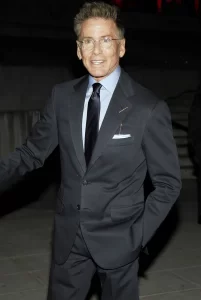
Brand Contribution: Calvin Klein, who started his brand in 1968, popularized minimalism and modern American fashion. Known for clean silhouettes, he created iconic denim, underwear, and fragrance lines.
Signature Collections: Klein’s jeans campaigns in the 1980s became legendary. His underwear ads revolutionized marketing and helped define contemporary style.
Challenges & Story: Calvin started with limited capital but had a clear vision. His minimalist approach allowed him to stand out in an industry filled with elaborate designs. His story demonstrates the importance of simplicity and focus.
Philosophy & Modern Relevance: Calvin Klein emphasizes simplicity, comfort, and accessibility. The brand remains a global favorite for everyday fashion and luxury basics.
7. Tom Ford – Founder of Tom Ford
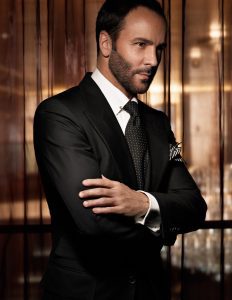
Brand Contribution: Tom Ford launched his own brand in 2005 after revitalizing Gucci. His designs combine glamour, precision tailoring, and luxury, appealing to a modern, confident clientele.
Signature Collections: Ford’s eyewear, perfumes, and eveningwear lines exemplify sleek sophistication. His Gucci era is remembered for bold, transformative campaigns.
Challenges & Story: Originally trained in architecture, Ford shifted to fashion and quickly rose to fame. Creating his own brand allowed him to fully express his vision, blending sensuality and precision.
Philosophy & Modern Relevance: Tom Ford values modern glamour, luxurious fabrics, and clean lines. His brand remains synonymous with sophistication and celebrity appeal.
8. Miuccia Prada – Prada & Miu Miu
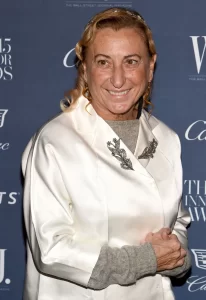
Brand Contribution: Miuccia Prada inherited a leather goods company but transformed it into a fashion powerhouse. She also founded Miu Miu, a younger, playful label. Her designs blend innovation, intellect, and artistic expression.
Signature Collections: Prada’s use of unconventional materials, artistic prints, and bold silhouettes sets it apart. Miu Miu focuses on youthful, whimsical fashion.
Challenges & Story: Miuccia studied political science before fully committing to fashion. Her willingness to experiment helped redefine what luxury fashion could be, proving that creativity often comes from unexpected backgrounds.
Philosophy & Modern Relevance: Prada emphasizes thoughtful innovation and artistic design. Both Prada and Miu Miu remain influential in contemporary fashion and runway trends.
9. Christian Dior – Founder of Dior
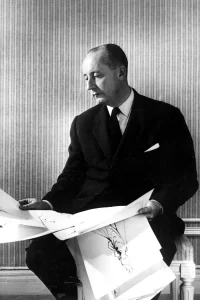
Brand Contribution: Christian Dior founded Dior in 1946, introducing the New Look—a style featuring cinched waists and full skirts, celebrating post-war femininity. The brand became synonymous with glamour and elegance.
Signature Collections: Dior’s haute couture collections continue to be a benchmark for craftsmanship. Accessories like the Lady Dior bag and Dior fragrances maintain global appeal.
Challenges & Story: Dior initially struggled financially and ran an art gallery before achieving success. The New Look brought instant fame and transformed the fashion industry. His story reminds us how vision and creativity can turn challenges into legacy.
Philosophy & Modern Relevance: Dior emphasizes elegance, femininity, and refined luxury. Today, Dior remains one of the most prestigious fashion houses globally.
10. Donatella Versace – Creative Leader of Versace
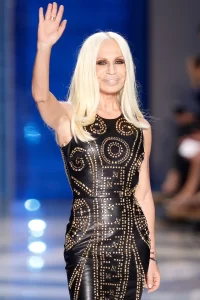
Brand Contribution: After Gianni Versace’s passing, Donatella took the lead, preserving his vision while modernizing the brand. She combined celebrity culture with luxury, turning Versace into a global powerhouse.
Signature Collections: Donatella is known for bold prints, red-carpet gowns, and collections that mix daring glamour with sophistication.
Challenges & Story: Stepping into a leadership role after her brother’s death was challenging, but Donatella’s resilience and creativity strengthened the brand. She transformed Versace into a modern icon while honoring its heritage.
Philosophy & Modern Relevance: Donatella emphasizes confidence, luxury, and boldness. Versace remains a favorite among celebrities and fashion enthusiasts worldwide.
Conclusion: The Legacy of Designers Who Built Their Own Empires
Fashion is always evolving, yet these ten designers have created legacies that transcend trends. Each built a brand that reflects their vision, creativity, and determination. From Coco Chanel’s timeless elegance to Tom Ford’s modern glamour, their work proves that fashion is a language of expression, identity, and innovation.
Their journeys also teach a powerful lesson: success comes from passion, courage, and perseverance. Whether overcoming humble beginnings or navigating industry challenges, these designers turned ideas into enduring influence. Today, their brands continue to inspire, innovate, and set the standard for global fashion.